

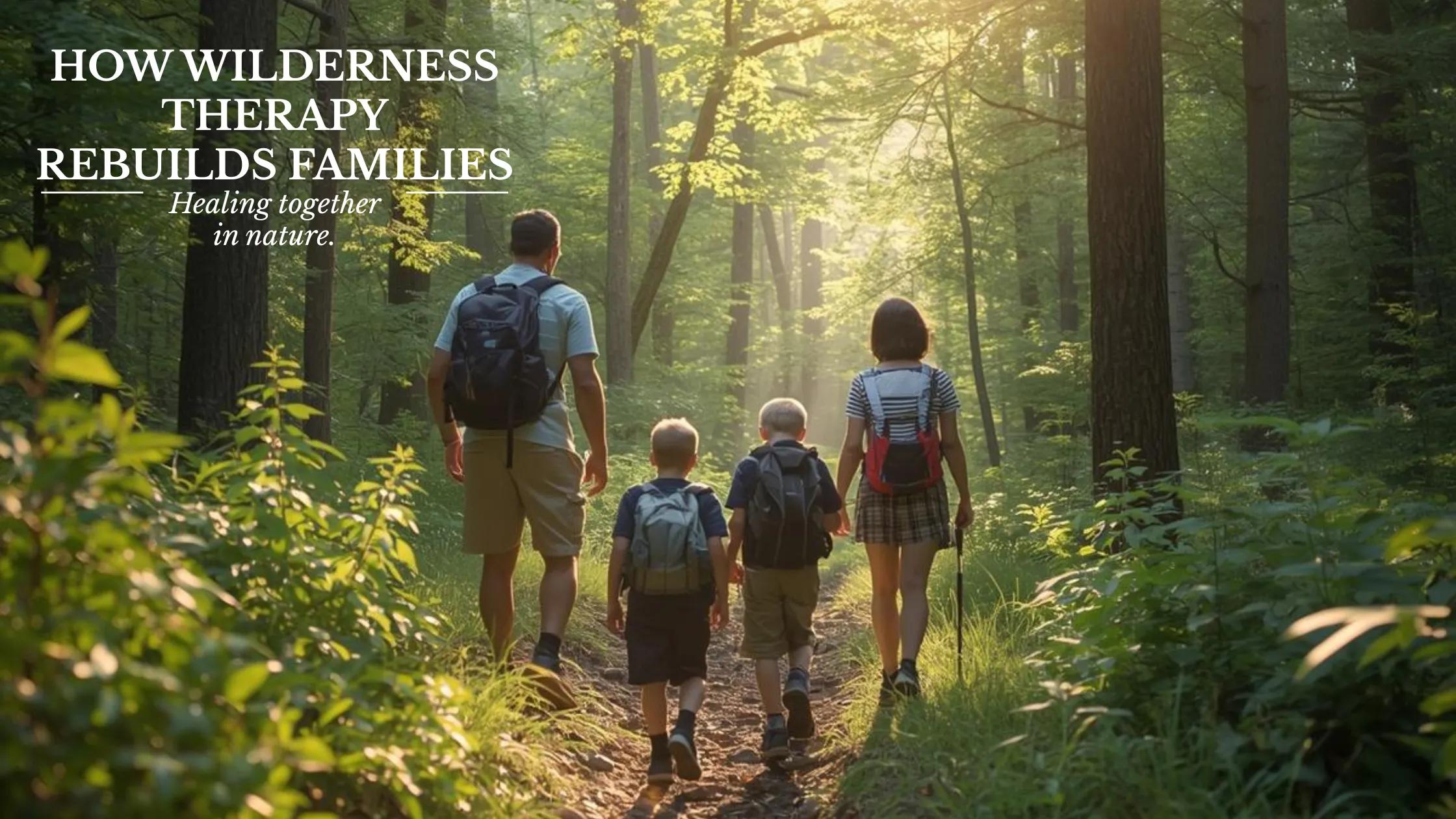
When a teen is struggling emotionally or behaviorally, the impact is rarely limited to the individual. Families often experience tension, miscommunication, and a growing sense of disconnection. This is where wilderness therapy for teens offers a unique and meaningful solution not just for the teen, but for the entire family.
Programs like those offered by the Anasazi Foundation focus on healing relationships alongside individual growth. By combining structured support with nature-based experiences, these programs create an environment where both teens and families can reconnect and rebuild trust.
Understanding the Need for Family Healing
Many families turn to behavioral health programs when traditional methods are no longer effective. Teens may struggle with anxiety, depression, or defiance, while parents feel unsure how to help. Over time, communication breaks down, and relationships become strained.
Unlike typical residential treatment for teens, a therapeutic wilderness program emphasizes emotional growth in a natural setting. This approach allows teens to step away from daily stressors while also preparing them to reconnect with their families in a healthier way.
How Wilderness Therapy Creates Space for Change
One of the most powerful aspects of wilderness therapy programs for teens is the environment itself. In places like wilderness therapy Arizona, teens are removed from distractions such as phones, social media, and peer pressure.
This space allows them to:
Reflect on their actions and emotions
Develop self-awareness
Gain clarity about their relationships
At the same time, parents are often guided through parallel support systems, helping them better understand their teen’s experiences. This dual approach is what makes accredited wilderness therapy programs so effective in rebuilding family bonds.
Building Communication and Understanding
Communication is often one of the biggest challenges within families. Many teen wilderness therapy programs include structured opportunities for parents and teens to reconnect through letters, guided conversations, and therapeutic exercises.
Through outdoor therapy programs and mentorship, teens learn how to express themselves more openly. Parents, in turn, learn how to listen without judgment. This mutual understanding helps close the emotional gap that may have formed over time. Whether through youth wilderness programs or a full wilderness treatment program, the goal is to create healthier communication patterns that last beyond the program.
Restoring Trust Through Shared Growth
Trust is not rebuilt overnight, it takes consistent effort and meaningful experiences. In a wilderness therapy program, teens take responsibility for daily tasks such as hiking, cooking, and teamwork. These small but impactful actions help them regain a sense of accountability.
Programs like wilderness programs for teens and wilderness teenager programs focus on:
Personal responsibility
Emotional regulation
Respect for others
As teens grow, parents begin to see positive changes, which helps rebuild trust naturally. Many youth wilderness camps also involve family workshops or reunification phases, where both sides actively work toward restoring their relationship.
Strengthening Families for the Long Term
The goal of any wilderness treatment center is not just short-term improvement, but lasting change. Families who participate in wilderness programs for youth often leave with stronger communication skills, deeper understanding, and renewed trust.
Even affordable wilderness therapy programs now offer structured family involvement, ensuring that healing continues at home. This makes them a valuable alternative within the broader landscape of behavioral health programs.
Why Families Choose Wilderness Therapy
Parents are increasingly choosing teen wilderness camps and teen wilderness therapy programs because they offer more than traditional solutions. These programs address the root causes of conflict while strengthening the family unit.
By combining nature, structure, and professional guidance, a wilderness therapy program creates an environment where real transformation can happen not just for teens, but for their families as well.
Conclusion
Rebuilding family relationships takes time, effort, and the right environment. Wilderness therapy for teens provides all three. Through reflection, communication, and shared growth, families can move past conflict and create stronger, healthier connections.
Programs like those at the Anasazi Foundation show that healing is not just about fixing problems it’s about rediscovering trust, understanding, and connection. Because in the end, when families heal together, the results are deeper, more meaningful, and long-lasting.