

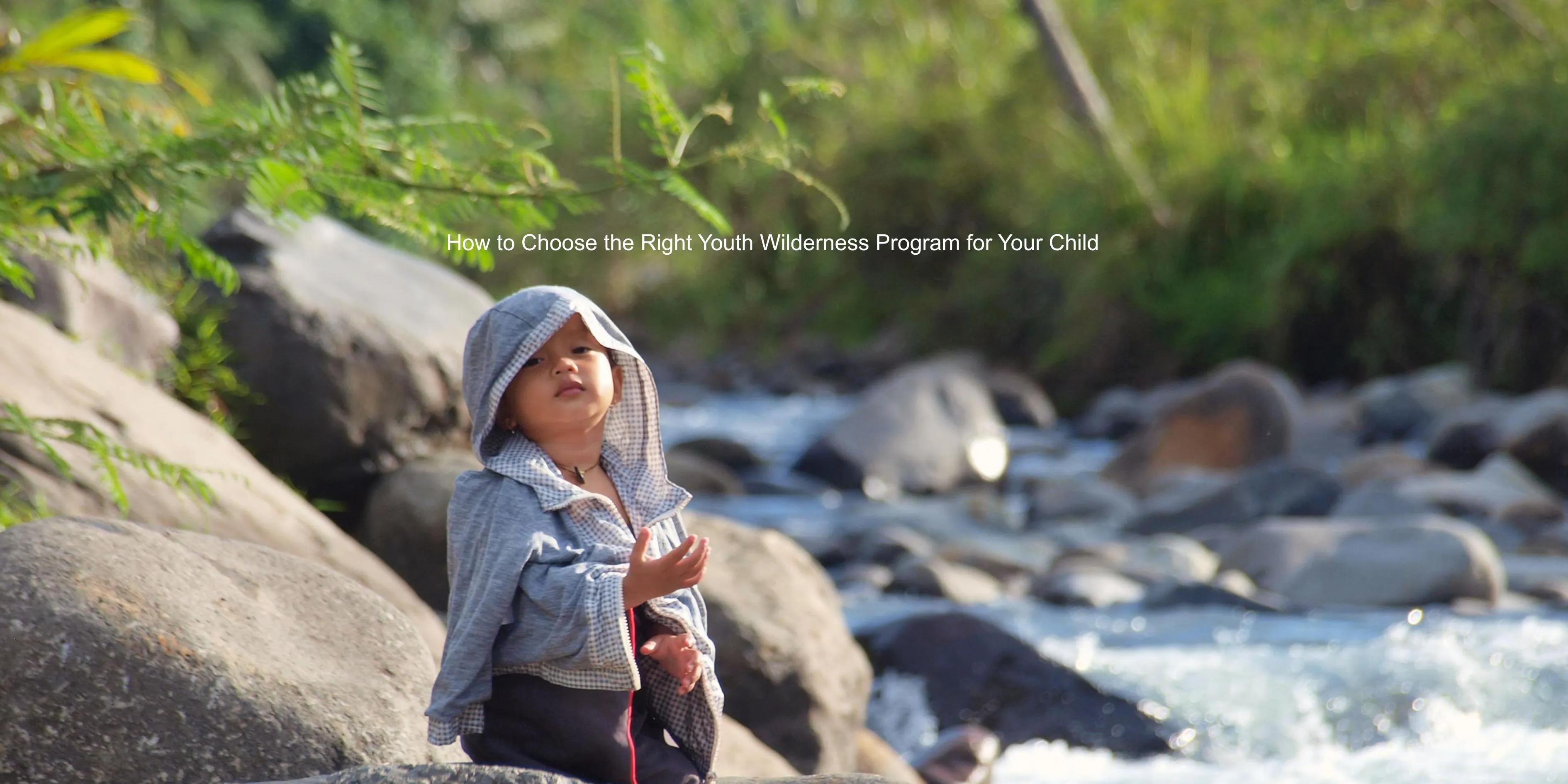
A Child enjoying beside a river
Sending a child into the wilderness as part of a therapeutic or developmental program is not a small decision. For many parents, it comes after months of worry, sleepless nights, and trying everything else first. It is an emotional crossroads and the last thing anyone needs in that moment is confusion about what these programs actually involve. So before signing anything or making any calls, here is what every parent genuinely needs to understand.
What These Programs Actually Are
There is a lot of misunderstanding around what wilderness-based programs for young people look like in practice. They are not boot camps. They are not punishment disguised as adventure. At their core, these programs use nature, structured challenge, and therapeutic support to help struggling teens and young adults reconnect with themselves and the people around them.
Young participants spend time outdoors, away from screens and social pressures, working through real challenges in a supported environment. The combination of physical activity, reflection, and professional guidance tends to create breakthroughs that more traditional settings sometimes cannot.
Key Things to Evaluate Before Choosing a Program
1. The therapeutic approach matters more than the location
A program set in a beautiful landscape means very little if the clinical foundation is weak. Parents should ask directly about the therapeutic model being used, who is delivering it, and what qualifications the staff hold. Licensed therapists, certified counselors, and trained field staff are non-negotiable in a quality program.
2. Transparency about daily life in the field
What does a typical day actually look like? What do participants eat? How is safety managed? How are emergencies handled? Any reputable program will answer these questions clearly and without hesitation. Vague or defensive responses are a red flag worth taking seriously.
3. Family involvement throughout the process
A program that isolates the child from the family and then returns them home without any transition support is missing a critical piece. Real progress happens when the whole family is part of the process. Look for programs that offer regular family communication, parent workshops, and structured reunification planning.
4. Accreditation and licensing
This is not optional. Programs working with vulnerable youth should be properly licensed in their state and ideally accredited by a recognised body in the outdoor behavioral health space. Do not skip this step, it protects the child and gives parents a meaningful layer of accountability.
5. Clear aftercare planning
What happens after the program ends is just as important as what happens during it. A strong program will have a clear aftercare framework, whether that is step-down therapy, school reintegration, or continued family counseling. Without it, progress made in the field can fade quickly once a young person returns to familiar environments.
The Difference Between Outdoor Therapy and General Adventure Programs
This distinction matters and a lot of parents miss it. Not every outdoor program is a therapeutic one. Adventure camps, leadership programs, and survival courses all have value but they serve a different purpose.
Outdoor therapy programs are specifically designed to address emotional, behavioral, or mental health challenges. They are clinically supervised, individually tailored, and follow an evidence-based treatment model. If a young person is dealing with anxiety, depression, trauma, substance use, or family conflict, a general adventure program is unlikely to be enough.
When the goal is genuine healing and behavioral change, the clinical component is what makes the difference.
Questions Worth Asking Before Committing
Here are a few honest questions to bring into any conversation with a program:
How do you measure progress and share updates with families?
What is your staff to participant ratio in the field?
How do you handle a participant who refuses to engage?
Can we speak to families whose children have completed the program?
What does the transition back home look like?
The answers will tell a parent a great deal about whether a program is genuinely youth-centered or simply well-marketed.
Choosing With Both the Head and the Heart
Parents choosing youth wilderness programs for their child are almost always doing so from a place of deep love and real desperation. That emotional weight can sometimes lead to rushed decisions. Taking the time to research thoroughly, ask hard questions, and trust instincts when something feels off is not being difficult, it is being a good parent.
Conclusion
The right program can be genuinely life-changing for a young person who is struggling. But not all programs are built the same way, and the differences matter enormously. Anasazi Foundation has spent decades working with young people and families through a model rooted in respect, nature, and meaningful connection. For families exploring outdoor therapy programs, finding a team that treats both the young person and the family with genuine care is the most important thing of all.