

One of the most important decisions a family will face involves where to turn for support of a troubled teenager. It is understandable for parents to search for programs with the intention of providing their child with lasting character development, security, and a sense of direction – without taking out a loan to pay for it. Every family’s financial situation varies but it’s possible to discover experiences with high value without excessive costs by doing a little research. Let us look past the price to focus on value when we look for programs that offer adolescent help.
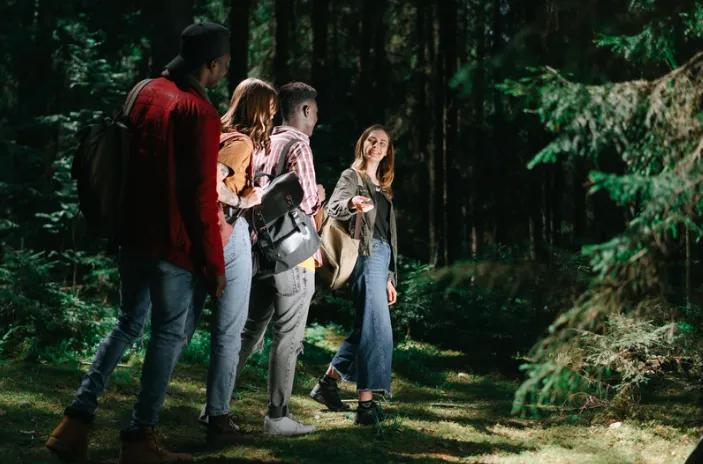
Many families begin their search by comparing affordable wilderness therapy programs that balance quality care with reasonable costs. While affordability matters, it should never come at the expense of safety, experienced staff, or individualized support. The best programs focus on helping young people develop healthier habits, stronger communication skills, and greater confidence through structured outdoor experiences. Taking time to compare services, staff qualifications, and family involvement often leads to a better long-term investment.
Why Cost Shouldn't Be the Only Decision
The program decision is no easy decision, as many parents feel it is prudent to be fiscally sound but, in my opinion, price alone isn't always the best measure. Cheaper doesn't always equal a better deal and expensive isn't always the guarantee of a positive outcome.
The program includes, instead, that families will question how well the program is run, the professionalism of supervising adults, daily routines, what support there is for parents to get involved in activities at the centre and what back up is there for the program and when kids need help when the program is finished for the day. Those things are a lot more important than how cheap a program might seem initially.
Looking Beyond the Price Tag
Outdoor behavioral programs can provide individuals with an experience that opens them up to new opportunities beyond the time spent in the great outdoors. They may leave with useful skills that will continue to serve them for many years to come.
Building Personal Responsibility
The daily responsibilities create accountability. Meal preparation, setting up and breaking camp, and working as a group instill good habits that can serve you at home, school, and in life.
Developing Stronger Communication
Without the persistent pull of screens and online chatter, it’s common for young people to be much more receptive to the possibility of engaging in a genuine discussion. They come to see how they can voice their opinions respectfully and how to patiently attend to someone else's perspective.
Improving Confidence
As individuals complete each successfully undertaken challenge, it marks another milestone for their self-esteem to soar even higher. Completing a long distance hike or even conquering their individual phobias helps them build an awareness of their capacity to overcome things in their life.
Questions Families Should Ask
Before making a decision, parents should gather as much information as possible.
Staff Experience
Ask about the qualifications, certifications, and training of team members. Experienced professionals provide guidance while creating a supportive and structured environment.
Safety Practices
Understand emergency response procedures, monitoring, medical care, and hazard controls. High quality of standards should not be compromised in any way.
Family Participation
Communications-building programs often make relationships better for all concerned after you finish treatment. Keeping in touch and having weekly family meetings can assist ease you into home-life.
Individual Support
Every teenager has different needs. Programs that personalize activities and goals often provide more meaningful progress than one-size-fits-all approaches.
Long-Term Benefits Matter Most
One of the most profound benefits of an outdoor behavioural experience can become evident once families arrive back home. They frequently report significant improvements in communication, decision making skills, the recognition of their own feelings, and personal responsibility.
Rather than using short-term bursts of motivation, participants cultivate their own habits through their daily efforts. They learn that if they apply diligence, persistence and a good deal of patience they achieve results. These are valuable lessons they may continue to draw on for years to come in their academic, social and home life.
Making an Informed Choice
The number one most valuable resource for any parent researching child care programs is research. Looking at reviews, chatting with staff, asking pertinent questions, and clearly understanding program expectations all allow for parents to be confident in their decision.
Organizations such as Anasazi Foundation have shown how carefully guided outdoor experiences can support positive change through compassionate leadership and structured activities. Families searching for a therapeutic wilderness program should focus on overall quality, professional care, and opportunities for lasting personal growth rather than simply choosing the lowest price. A thoughtful decision today can create meaningful benefits that continue well into the future.
FAQ
How can parents compare different outdoor programs?
Look at staff qualifications, safety standards, family involvement, program structure, and participant support instead of comparing cost alone.
Are payment options available for some programs?
Many organizations offer financing plans or payment options. It's best to contact each provider directly to learn what financial assistance may be available.
What should families ask before enrolling?
Parents should ask about staff experience, safety procedures, daily schedules, communication policies, and follow-up support after the program ends.
How long do outdoor behavioral programs typically last?
Program lengths vary based on individual needs. Some last several weeks, while others may continue for a few months.
What personal skills can participants develop?
Many young people strengthen communication, responsibility, resilience, teamwork, problem-solving, and self-confidence through consistent daily experiences.